15Nov
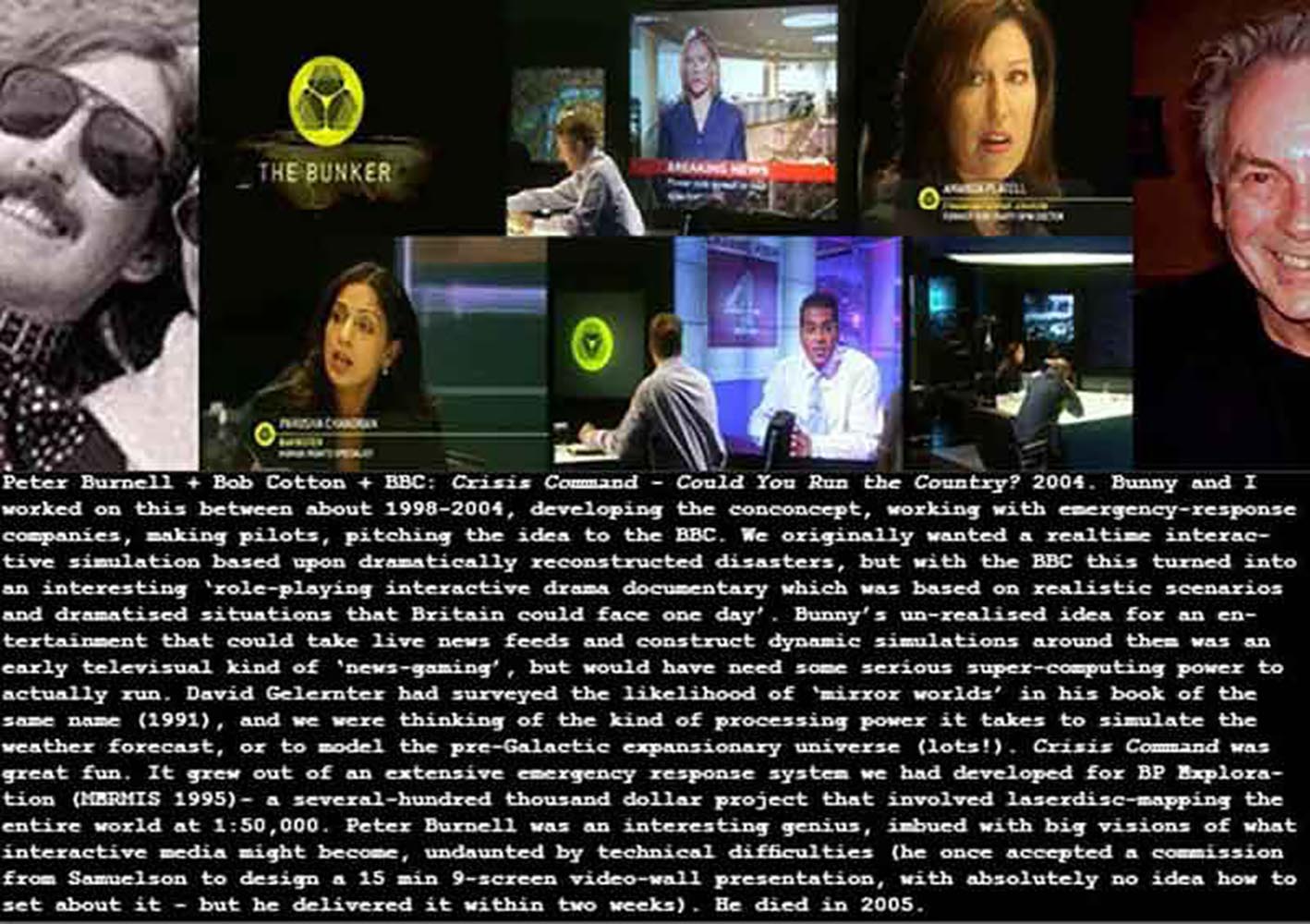
Bunny (Peter Burnell) and me and a small group of colleagues, including the engineer and emergency-response expert Mal Phillips from BP, Mike Hayles the journalist, the rostrum cameraman Nigel Moncrieff, and Mike Hugg of Manfred Mann, designed this TV format and embodied it in a demo-prototype in the 1990s and sold the idea/format to the BBC. And we did this mostly in Cowes, Isle of Wight. It was immaculately productivised and produced by the BBC, and broadcast 0n BBC2 and BBC4 - in 2002 and 2004.
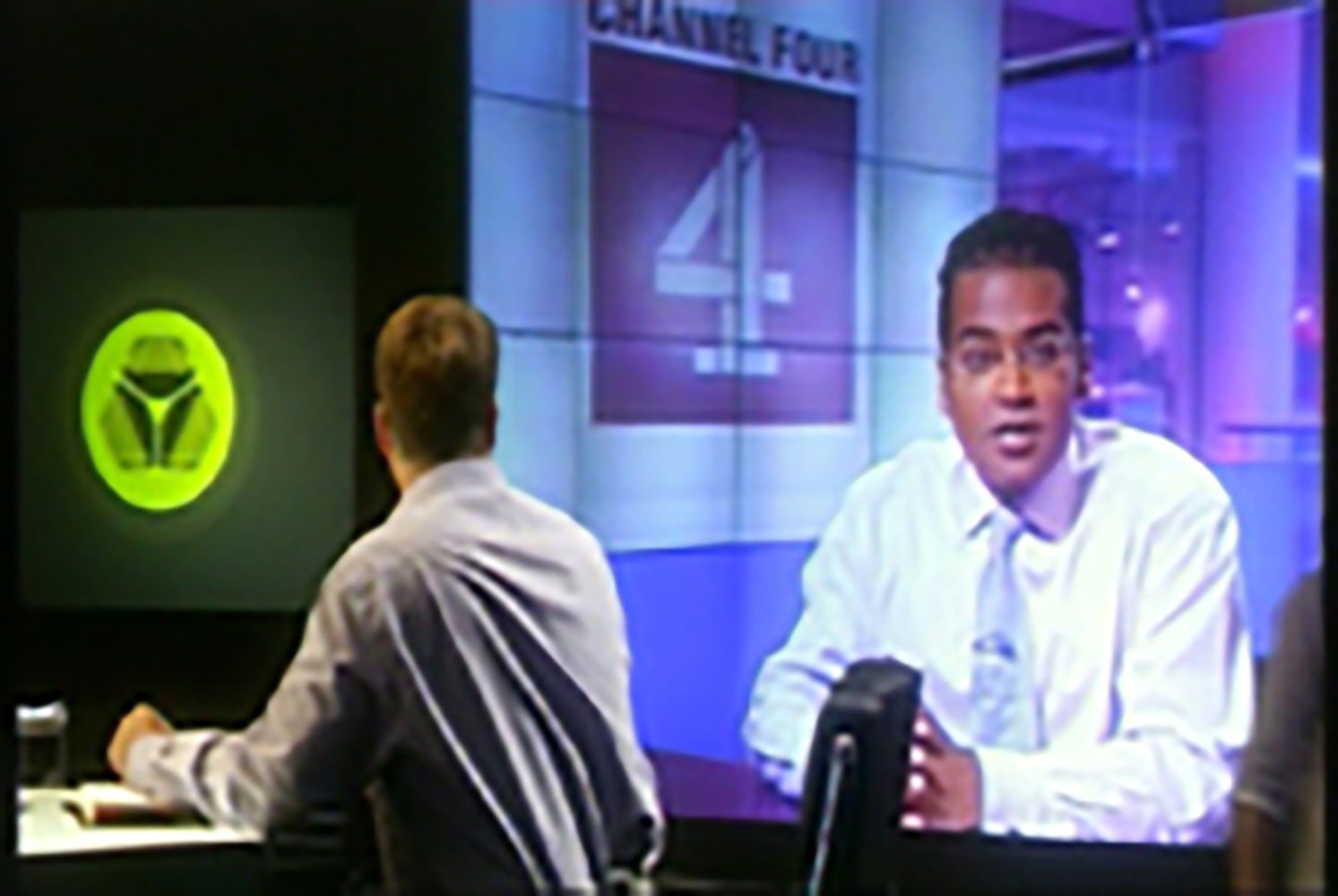
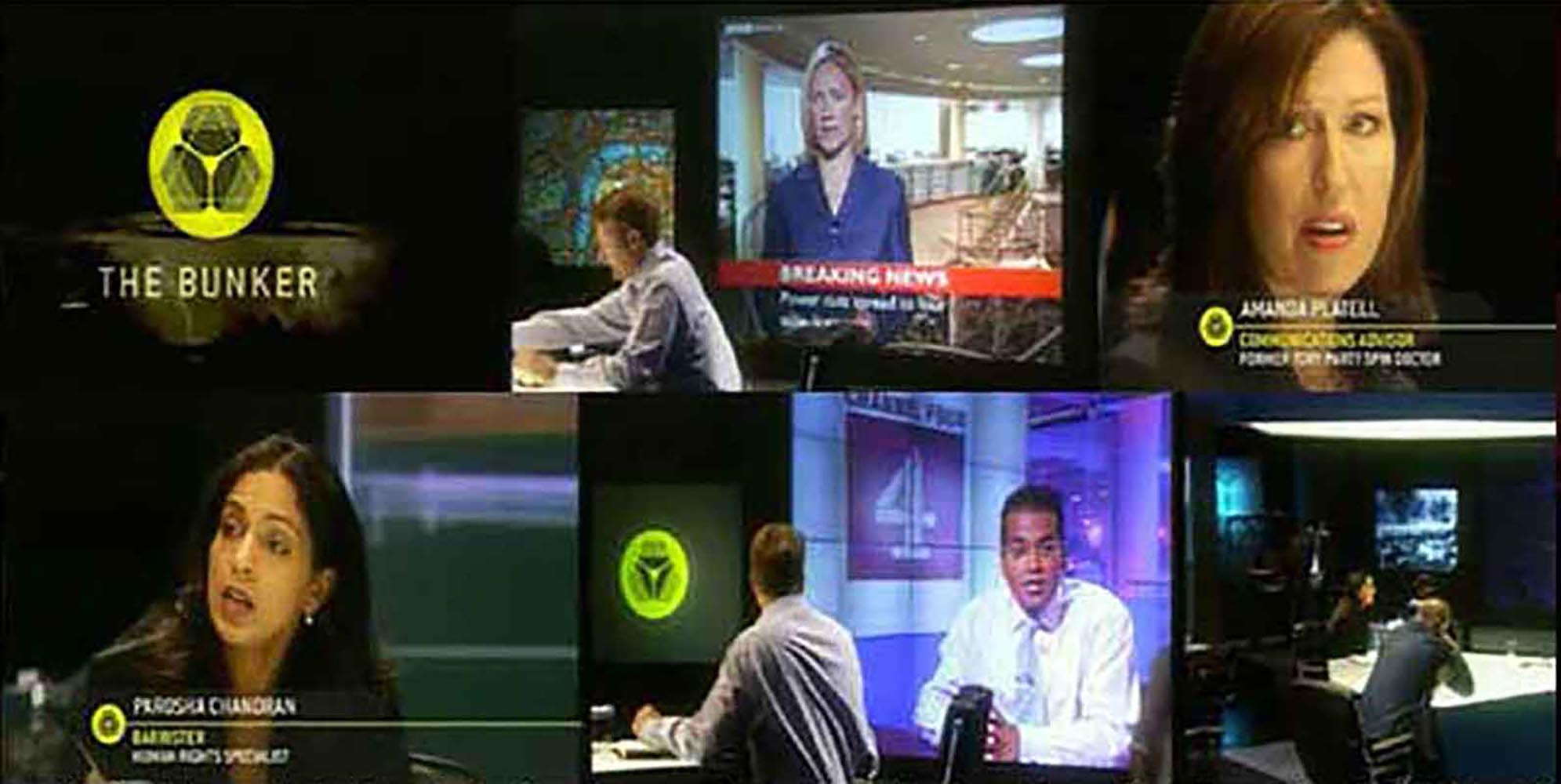
The central idea was that we create and simulate a series of 'emergencies' or 'crises' that in real life would demand some national or wide-regional response. So we would invite some notable 'volunteers' to respond to the emerging emergency, provide a regular team of experts to advise them, simulate the 'Gold Response' team of emergency-response on-site responders, and news journalists, and basically see how they performed, how they responded to the various practical, political, social and ethical issues that emerged - posing the question Could You Run the Country? - and to do this in apparent real-time, as the clock-ticked...
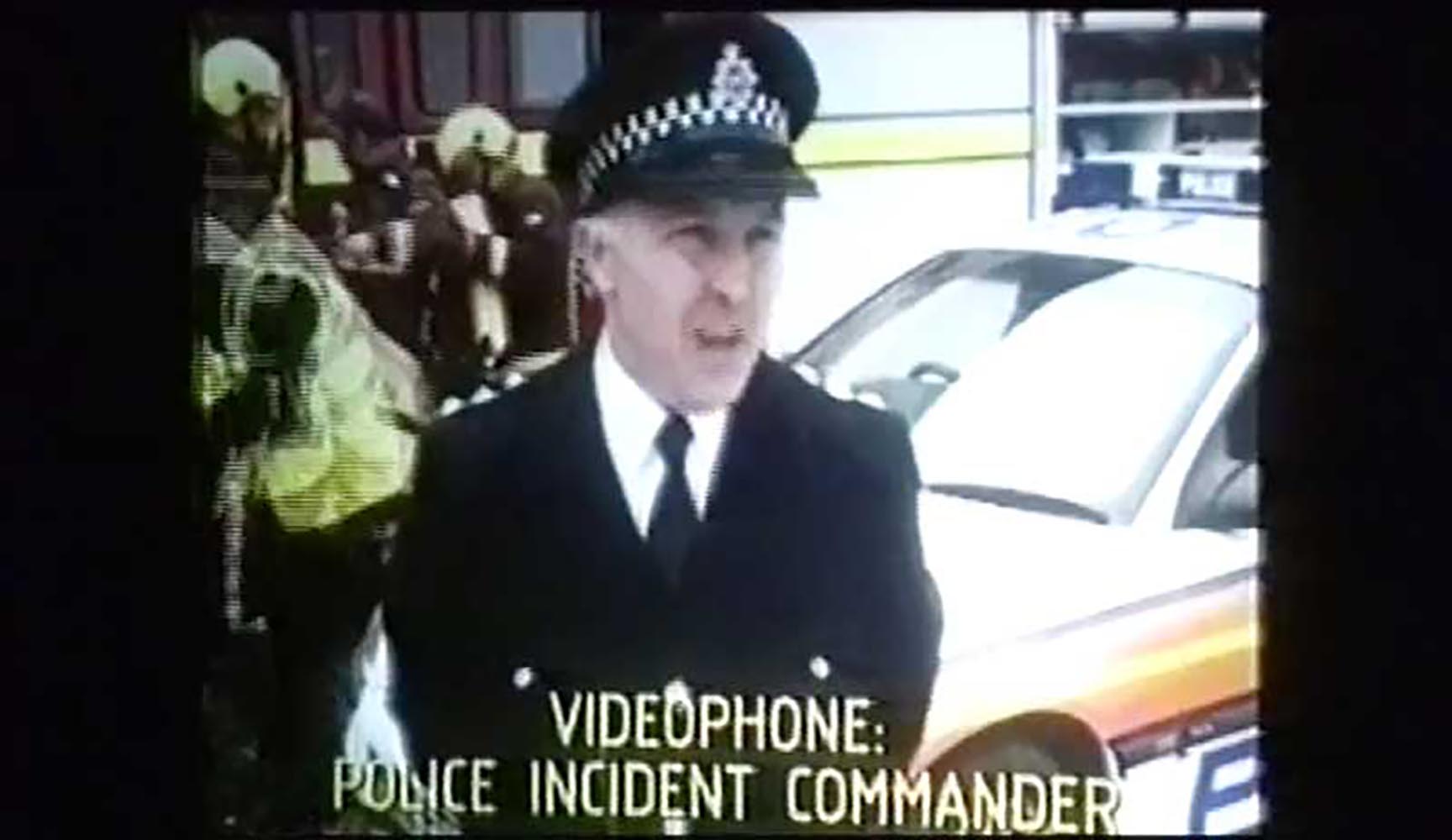
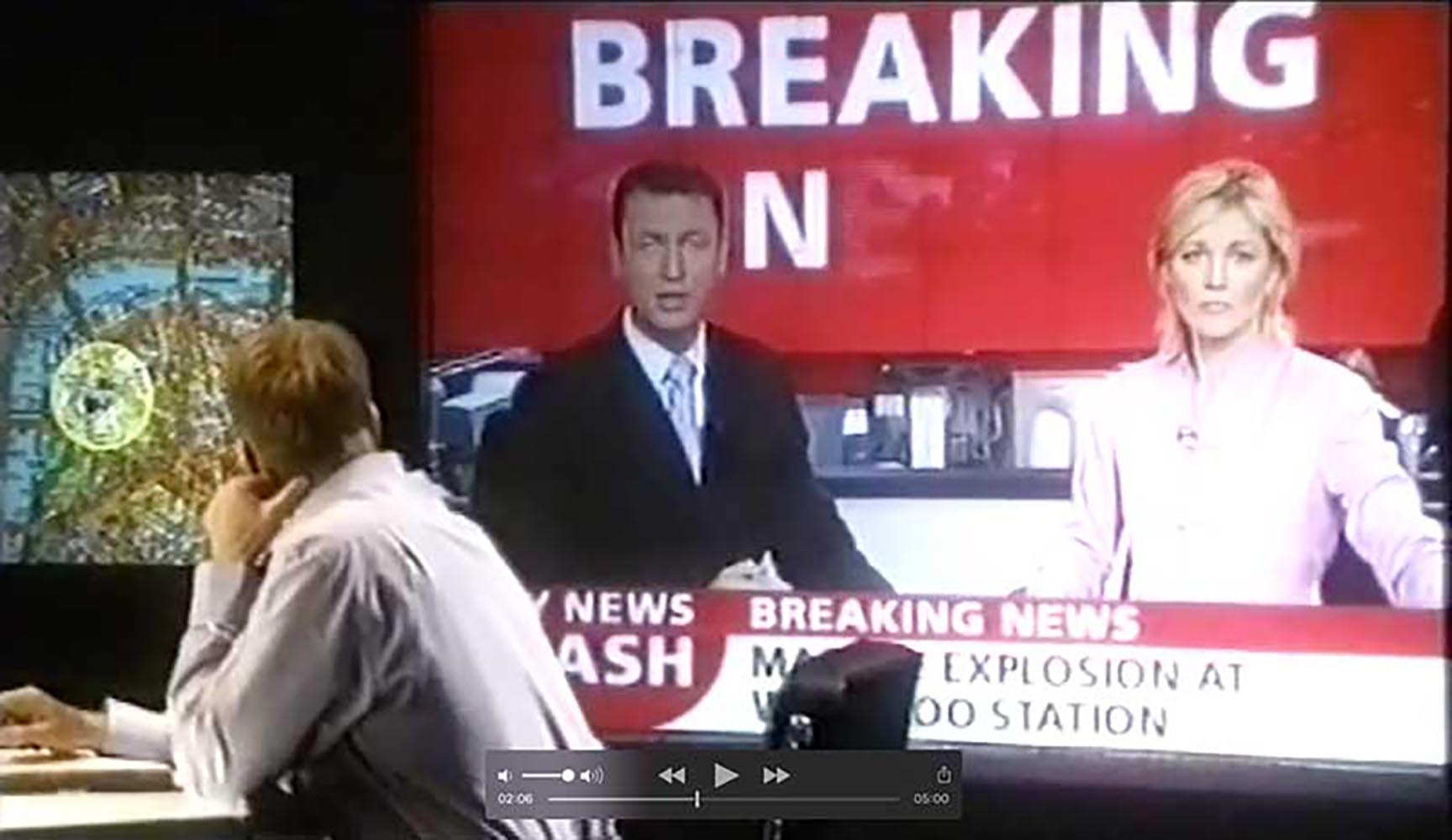
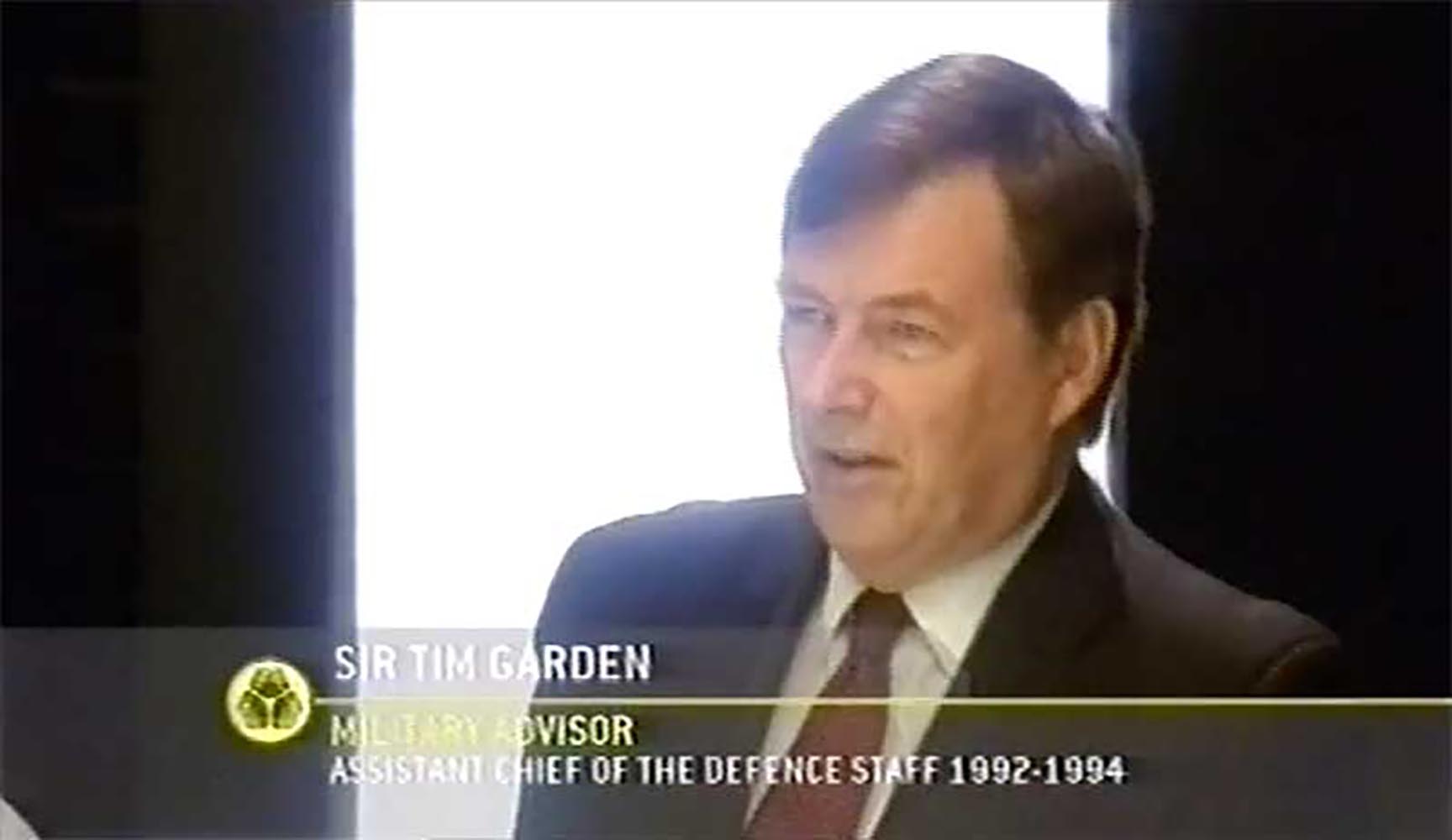
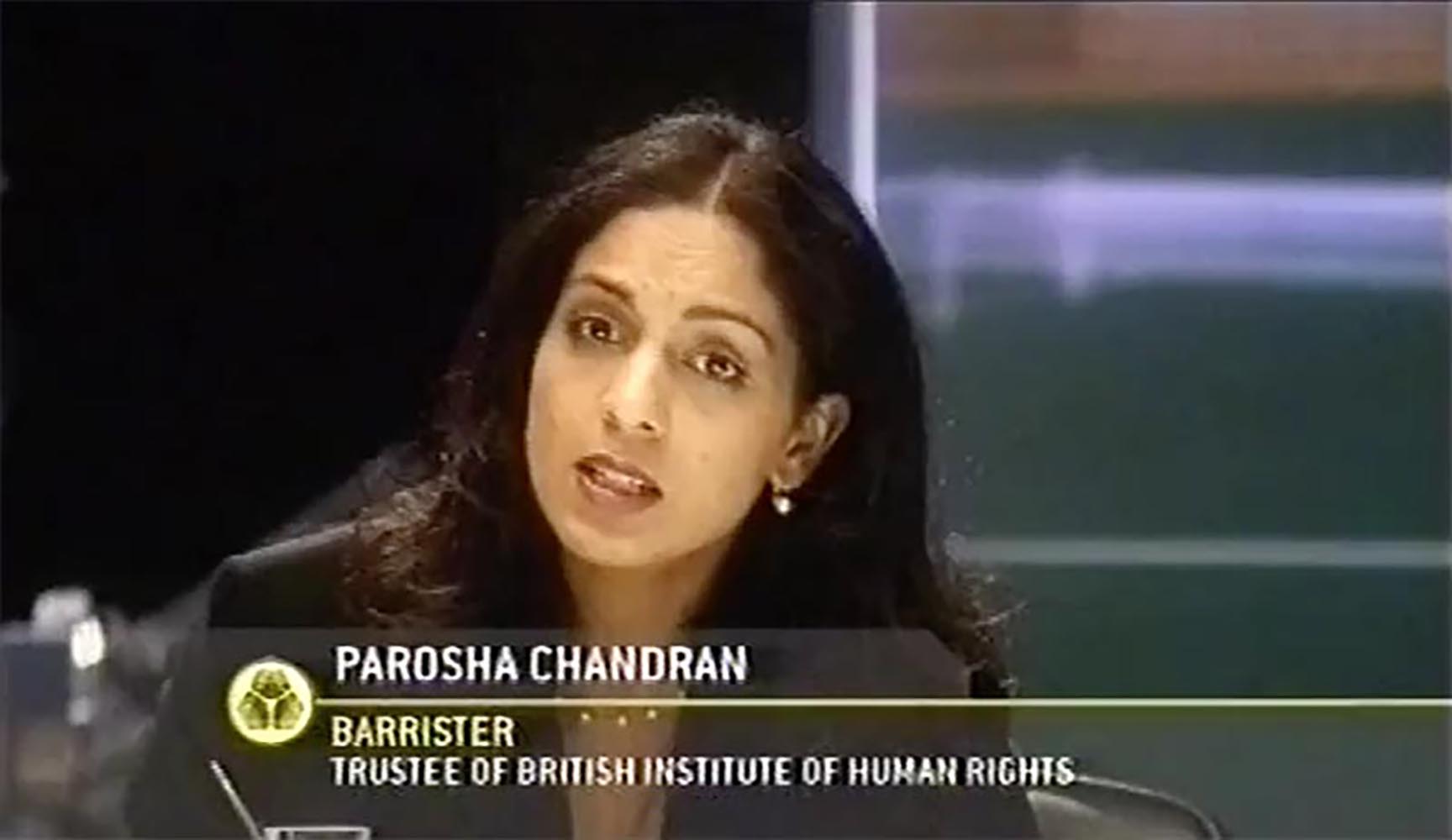
So this was an exercise in the emerging genre of 'news-gaming' and we thought - and still think - that this approach sits in the spectrum of news and personal commentary, and reflection and entertainment - and is capable of much further development as we take 'news' as a recurring and Inexhaustible supply of content..
https://www.youtube.com/watch?v=6i_Gmh7hrK0
Crisis Command grew from a very real Emergency-Response System we built for BP Exploration. it was called MERMIS - Marine Emergency Response Management Information System, and it was instituted in the early 1990s at BP Sullum Voe. Before large digital map resources like Google Earth, it depended upon us devising a system that could store high-res video frames of all the 1:50,000 Admiralty marine charts of the World. We did this in an old sail-loft (or was it a rope-loft?) in the Cowes Marina - we used a 35mm Mitchell camera rostrum mounted on a geared table - on which charts could be fixed and video-frames captured in an orderly X-Y scanning process then stored on Philips Laservision Laserdiscs. These discs could store something like 54,000 high-res video frames, and we had to build a C++ command and control program that enabled emergency response managers to display charts of anywhere in the world instantly, overlay these maps with local emergency-response resources and facilitate a quick, informed emergency-response...
Comments